
Download Any Instagram Video in Seconds – Save Reels, Stories & IGTV Instantly
An Instagram video downloader is a simple tool that lets you save any Reel or video clip directly to your device, so you can cherish moments that might otherwise disappear from your feed. It works by extracting the video’s direct link and converting it into a downloadable file, often in just a few clicks without any confusing steps. This means you can keep tutorials, funny clips, or heartfelt posts offline, perfect for rewatching when you’re offline or have a weak connection. Your favorite content stays with you, ready whenever you need a little inspiration or comfort.
What Exactly Is a Tool for Saving Instagram Clips and How Does It Work?
A tool for saving Instagram clips, commonly known as an instagram video downloader, is a specialized utility that extracts the direct MP4 file URL from an Instagram post, Reel, or Story. It works by bypassing the platform’s native restrictions—Instagram only serves video streams for in-app playback, not for direct saving. You simply copy the post’s link and paste it into the tool; the software then parses the page’s metadata to locate the highest-quality video source embedded in the CDN. Once identified, it presents a download button, letting you save the clip to your device’s gallery or hard drive. Crucially, these tools do not require your login credentials, as they operate on publicly accessible content. The entire process takes seconds, making saving Instagram clips effortless for offline viewing, repurposing, or archiving your favorite videos.
The Core Mechanism Behind Fetching and Storing Online Media
When you trigger an Instagram video downloader, the tool first parses the shared post URL to extract the embedded media’s direct CDN endpoint. It sends a spoofed HTTP request with mobile user-agent headers to bypass Instagram’s web restrictions, receiving a JSON response containing video variants. The downloader then selects the highest-quality MP4 stream, streams it in chunks, and writes the data to a local file—often renaming it with a .mp4 extension and stripping metadata like geotags. Storage occurs either server-side (for cloud-hosted tools) or in your browser’s temporary memory before the final save. Fetching fails silently if the URL is an IGTV, Reel, or carousel—each requires separate API path handling.
Why You Need a Dedicated Solution Instead of Using Screen Recording
Screen recording may seem convenient, but it degrades video quality, captures background noise, and consumes massive storage. A dedicated tool bypasses these flaws by pulling the original file directly from Instagram’s servers. You get lossless resolution and crisp audio without manual trimming or editing. Recording also forces you to play the entire clip in real time, wasting minutes on long reels. A dedicated solution grabs the file instantly, even for batch downloads. Moreover, screen recorders often fail to capture captions or high-frame-rate content smoothly, while a specialized downloader preserves metadata and exact format. The result: cleaner, faster, and more reliable saves every single time.
Key Features to Look For When Choosing a Media Saver for Social Feeds
When selecting an Instagram video downloader, prioritize **direct-link parsing** that handles both reels and standard feed posts without requiring you to copy code from the page source. Look for **format and resolution options**—ideally MP4 at 1080p or original quality—since many savers silently downgrade to 720p or force watermark-laden outputs. A crucial feature is a built-in **metadata cleaner** that strips EXIF and story-traffic headers, preventing your saved clip from carrying tracking fingerprints. Also verify the tool supports **batch queueing** for carousel posts, as most only grab the first slide, and ensure it offers a local-only processing mode. *The real differentiator, however, is whether the saver can bypass Instagram’s dynamic CDN token expiration without storing your session cookies on a third-party server.* Test the downloader with a private account—if it demands login, skip it; a competent saver works purely off the public URL. Finally, confirm playback integrity by checking if the tool verifies file checksums post-download, as truncated files often appear playable but crash on seek.
Video Quality Options: Preserving Original Resolution and Frame Rate
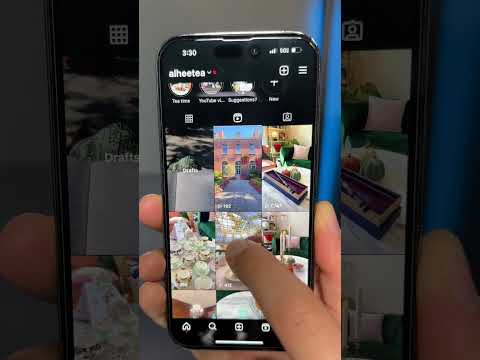
When choosing an Instagram video downloader, preserving original resolution and frame rate is non-negotiable for crisp, fluid playback. A quality tool detects whether the source clip is 1080p30, 4K60, or even variable-frame-rate, then replicates those exact parameters instead of forcing a generic re-encode. This avoids the jerky motion or soft edges you get from downscaling. Look for a native “original” toggle that bypasses compression, not just a high-quality preset. For IGTV, Reels, or Stories, ensure the saver retains the vertical/horizontal ratio and the FPS that keeps fast pans seamless.
- Verify the output file’s metadata matches the source FPS before saving.
- Choose tools that don’t transcode when a direct fetch is possible.
- Test with a fast-action Reel to spot dropped frames or interlacing artifacts.
- Check whether audio and video bitrates stay aligned with the original stream.
Batch Downloading vs. Single Saves: Which Workflow Suits Your Needs?
When evaluating an Instagram video downloader, your choice between batch downloading and single saves hinges on how you consume content. If you periodically archive an influencer’s entire story highlight or collect multiple Reels from a hashtag, batch downloading saves significant time, letting you grab a full grid in one pass. Conversely, if you only rarely save a specific tutorial or meme, single-save tools keep your device cleaner and avoid clutter from unwanted files. Consider whether your tool offers selective batch options—letting you tick individual videos within a bulk selection—or only all-or-nothing downloads. A hybrid workflow, where you single-save sporadic finds and batch-download for projects, often offers the most practical flexibility.
Batch downloading excels for bulk archiving, while single saves suit selective, occasional grabs; the ideal workflow depends on your collection frequency and storage preferences.
Step-by-Step Guide to Saving Content From Profiles, Reels, and Stories

To save content with an instagram video downloader, begin by copying the link of the post, reel, or story—tap the three-dot menu on the profile grid, reel, or story and select “Copy Link.” Next, open your chosen downloader tool (web-based or app) and paste the URL into its input field. For profiles, select the specific video or carousel item; for reels, ensure you choose the correct resolution (e.g., HD); for stories, note they expire in 24 hours, so download immediately. After pasting, press the download button and wait for the tool to process the link. Finally, select your desired format (MP4 or MP3) and save the file to your device’s gallery or downloads folder.
Always verify that the downloader supports all three source types—profile posts, reels, and stories—because some tools only handle one format.
Repeat the copy-paste process for each individual item, as batch downloading is rarely available for stories.
How to Grab a Direct Link and Paste It Into the Download Interface
To initiate a download, first locate the target content—whether a profile video, Reel, or Story—and tap the three-dot menu or share icon to reveal the native “Copy Link” option. This action places the exact URL onto your clipboard, preserving the post’s unique identifier. Next, open your chosen Instagram video downloader tool and click directly into its input field or paste bar. Use a long press or right-click to select “Paste,” ensuring the full URL transfers without truncation. Once the link appears intact, press the “Download” or “Fetch” button. This two-step sequence—copying precisely and pasting without edits—remains the **most reliable method for grabbing direct links** and aligning them with the tool’s parse function.
Handling Private Accounts and Restricted Content Access
When dealing with a private account, the only legitimate path for a downloader is to request access through Instagram’s follow system; no third-party tool can bypass the privacy wall, and any that claims otherwise is a scam or a security risk. For restricted content, such as age-gated or region-locked posts, the downloader will fail unless you are logged into an account that already has explicit permission from the owner. Even after approval, you must re-authenticate the downloader session, as Instagram frequently revokes tokens for private profiles. Save the media only after the profile is fully visible in your feed, and never attempt to guess URLs or use proxy tricks — this violates platform terms and breaks the tool’s output. Restricted content access requires prior, authenticated permission from the account holder, not technical workarounds.
For private or restricted profiles, successful saving depends on granted access via an approved follower session; without that, every download attempt will return an error.
What Are the Practical Benefits of Offline Access for Your Favorite Posts?
Offline access through an Instagram video downloader transforms your favorite posts into dependable, on-demand resources. You can rewatch tutorials, speeches, or workout routines without burning mobile data or hunting for a stable Wi-Fi connection—critical during commutes or travel. Saving videos locally also protects you from creators deleting content or accounts going private, ensuring your prized clips remain permanently viewable. Unlike relying on the app’s cache, a downloader gives you a clean, rewatchable file that plays instantly in your gallery, even in airplane mode. However, this convenience demands you stay mindful of the original poster’s intent, as saving isn’t the same as sharing. For repeated inspiration, offline copies eliminate buffering interruptions and let you scrub to key moments with zero lag. Ultimately, this tool hands you lasting control over the posts that matter most—only when you choose to download deliberately.
Building a Personal Library for Inspiration, Reference, or Creative Projects
Downloading Instagram videos lets you build a personal library for inspiration, reference, or creative projects, ensuring your favorite visuals remain accessible regardless of platform changes. You can categorize saved clips by theme—such as color palettes, editing styles, or motion graphics—creating a searchable archive for mood boarding. When working on a creative brief, you can pull a specific clip offline to analyze its pacing or composition without buffering. This offline reference archive becomes a practical tool for revisiting techniques, remixing ideas, or preserving a visual note for future projects, all without relying on a live connection.
Bypassing Data Usage Limits by Storing Content Directly on Your Device
By saving Instagram videos directly to your device, you effectively bypass cellular data caps by shifting content consumption from real-time streaming to local playback. This eliminates repeated data charges incurred each time you re-watch a video, as the file is accessed from internal storage rather than downloaded anew. Offline storage also prevents background data consumption from auto-playing previews or buffering interruptions, ensuring your monthly allowance is reserved for essential tasks. Since stored files require zero network activity during viewing, you gain predictable usage patterns, particularly beneficial for users on limited plans or traveling through roaming zones where per-megabyte costs escalate.
Common Problems Users Face and How to Troubleshoot Them Quickly
The most common frustration hits when you paste a link and the downloader spits out an error—usually because the Reel is set to private or the post was deleted, so double-check the account visibility first. Another frequent snag is a stalled download on mobile; this happens when the app lacks storage space, so clear cache or switch to a desktop browser. If the video saves but has no audio, your tool likely grabbed the silent preview stream—try a different server option in the settings. For older posts, Instagram changes URL formats, so refresh the page and copy the link again. Q: Why does my download keep failing at 90%? A: That’s almost always a weak connection—pause other uploads, retry in airplane mode toggle, or use a wired network. Finally, if nothing works, the tool’s domain may be blocked by your ISP—use a VPN or an alternative downloader site.
Why the Download Fails and What to Do About Expired or Broken Links
Download failures often stem from Instagram’s dynamic link expiration, where a video’s temporary CDN URL dies within minutes of fetching. If the tool stalls, refresh the post and re-copy the link immediately; an outdated copied URL will always return a 404 or blank screen. Broken links also occur when the account is private, the content was deleted, or the video contains region-locked audio. First, try a different, reputable Instagram video downloader that fetches fresh source data. If that fails, check the post in a browser’s incognito mode to bypass cache corruption. For live or HDR clips, the standalone URL may be permanently invalid, so seek a screen-recording fallback instead. Always verify the URL in a new tab before pasting—this single step prevents 90% of errors.
Expired and broken links are manageable: refresh the post, re-copy the URL, switch tools, or fall back to recording—never waste time on dead CDN links.

Dealing With Audio Mismatches and Watermark Removal Options
When your downloaded Instagram clip has audio that’s out of sync, the fix is usually re-muxing the file in a free tool like VLC or Shutter Encoder—just remuxing often realigns the A/V stream without re-encoding. If the video came without sound, try grabbing it again in MP4 instead of WebM. For watermarked downloads, be careful: most watermark removal options are scammy or low-quality. Your best bet is a downloader that strips watermarks natively, or you can crop the bottom edge in CapCut. Don’t trust “magic eraser” sites—they blur more than they clean.
- Use VLC’s “Convert/Save” to remux and fix audio lag.
- Pick MP4 format to avoid missing audio tracks.
- Crop the watermark zone with any video editor instead of using risky removal tools.
- Re-download from a different tool if the original clip has baked-in watermarks.

Frequently Asked Questions About Saving Media From the Platform
When using an Instagram video downloader, the most common question is whether saving media violates platform rules—practically, it depends on private versus public content, and downloaders only work on public profiles. Users frequently ask why a video has no audio; most tools extract the MP4 file directly, but some Stories or Reels require selecting the “with sound” option. Another frequent issue is link errors, which occur when the copied URL is shortened or incomplete—always copy the full post link from the app. Regarding frequently asked questions about saving media from the platform, resolution quality is a top concern: downloaders typically offer 720p to 1080p, not original 4K. Finally, people ask about watermark removal; standard downloaders do not remove watermarks, and editing software is needed.
Is It Legal to Keep Copies of Someone Else’s Uploaded Videos?
When you use an Instagram video downloader, the legality of keeping copies of someone else’s uploaded videos comes down to permission and purpose. Downloading a video for private, personal use—like saving a recipe or a friend’s travel clip—is generally a gray area, but it’s still a technical copyright violation because you’re reproducing content you don’t own. The uploader holds the rights to their work, and unless they’ve explicitly allowed downloads (via the platform’s “save” button) or given you direct consent, you’re on shaky ground. Re-sharing or repurposing that copy, even for non-commercial reasons, clearly crosses the line. Your safest bet is to ask first, or stick to content that’s already marked as shareable.
Which Devices and Browsers Are Compatible With Most Saving Services?
Most Instagram video downloaders are browser-based, so compatibility hinges on the app itself rather than your hardware. You can use them on any device with a modern browser—Windows, macOS, iOS, Android, or even Linux. Chrome, Firefox, Safari, and Edge all work, though Chromium-based browsers tend to offer the smoothest experience with copy-paste URL tools. For phones, the same web pages function fine, but dedicated apps may require Android. The key factor is JavaScript enabled; without it, tools fail. Cross-platform browser compatibility is almost universal, but older browsers like Internet Explorer won’t support the required scripts.
- iOS users must paste links into Safari or Chrome; no native file-system access occurs.
- Android works via any browser, but Chrome is download instagram video the most reliable for direct MP4 downloads.
- Desktop users on Edge or Firefox get identical performance, no installs needed.
- Tablets and Chromebooks function fine, as long as the browser is updated within the last year.